I’ll never forget the story of a good friend of mine who was commuting home on a London bus when a fellow passenger was stabbed. Although she didn’t witness the incident, word quickly spread down the bus, and people asked if anyone had any tissues to “mop up the blood”.
What struck me was not the stabbing itself. After all, bad things happen in London, but the first reaction from everybody on the bus was to deal with the lost blood rather than prevent more blood from escaping. Sure, such incidents are rare, but the lack of basic first aid knowledge in such a crowded environment still shocks me.
The passenger was soon treated by the London Ambulance Service and was patched up. The only serious harm seemed to be to passengers’ Kleenex supplies.
Now, in no way are we expecting any such malicious injuries on our cycle from London to Cape Town (although, given Emily’s history with knives and fingers, I’ll be keeping hold of our Victorinox Swiss Army knife!). But, given that, once we’re out of Europe, we’ll be cycling through some pretty remote areas, we thought we’d brush up on our first aid skills ahead of our trip.
So, this month, we headed down to Southease, Sussex, to attend the Wilderness First Aid course run by the Muir-Walker Medics Co-op.
‘Wilderness first aid’ is defined as the practice of first aid where definitive care is more than one hour away, and often days to weeks away.”
In reality, ‘more than one hour away’ could mean an incident on the Brecon Beacons or even on the South Downs where this course was based.
I’ve done some first aid training before. But it’s been limited to scenarios such as paper cuts or Colin from accounts choking on a sausage roll. What these courses always taught me was never to administer any drugs. Ever.
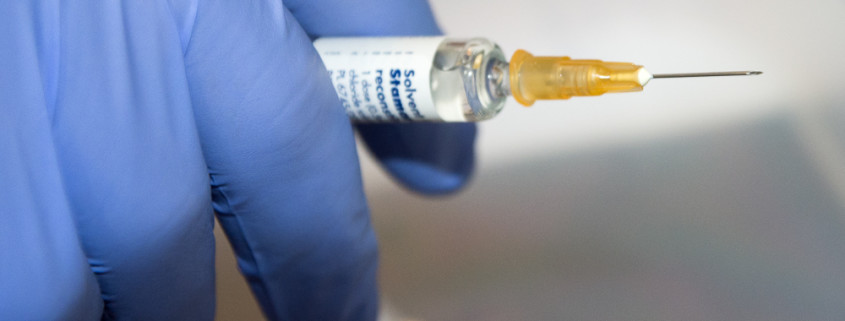
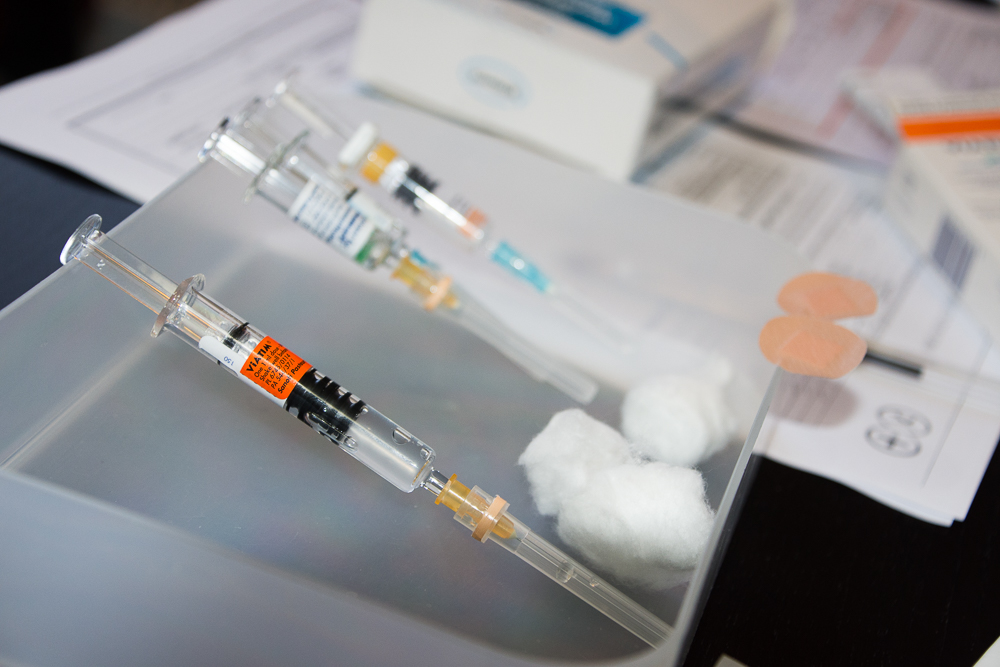
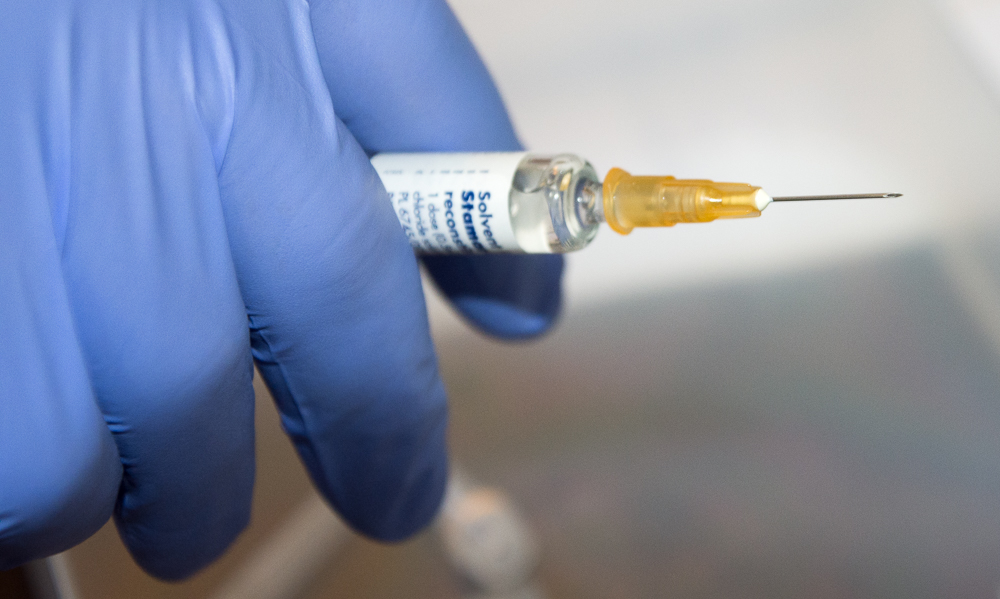
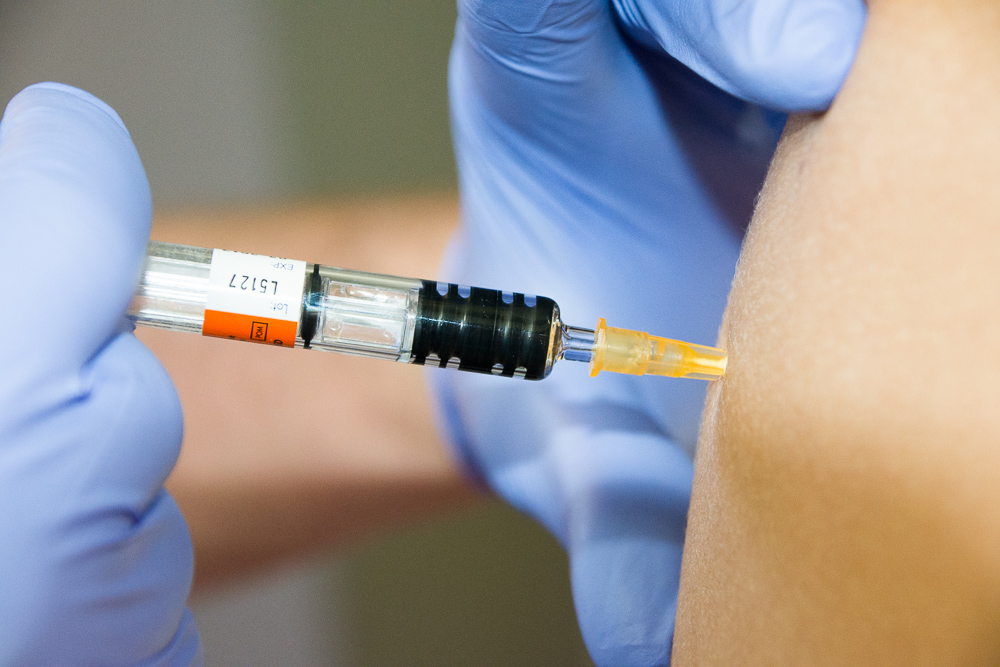
That’s why this course was such a breath of fresh air and exactly what we needed for our trip. Within minutes of refreshing our CPR skills, we were out in the sunshine jabbing each other with EpiPens, wrapping trauma bandages over lacerations and learning advanced trauma care techniques such as using Quik Clot on gnarly gashes and, yes, using drugs such as adrenaline. (For the pedants, I know that adrenaline’s a hormone and not a drug).
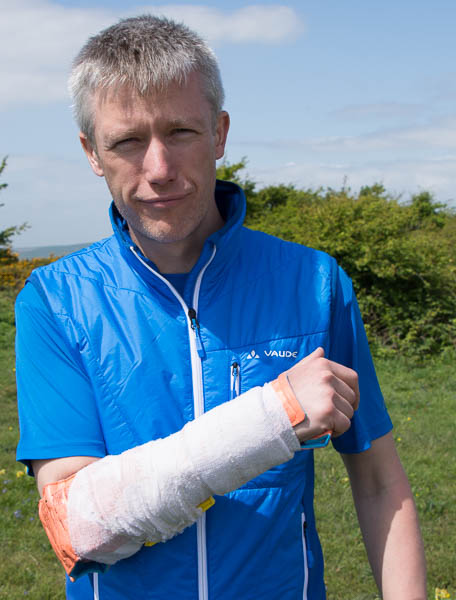
Emily did a good job splinting my arm.
On the second day, the group ventured up onto Bedingham Hill. With the backdrop of the port of Newhaven where, in just a few weeks, we’ll be catching the Newhaven to Dieppe ferry on the next stage of our cycle.
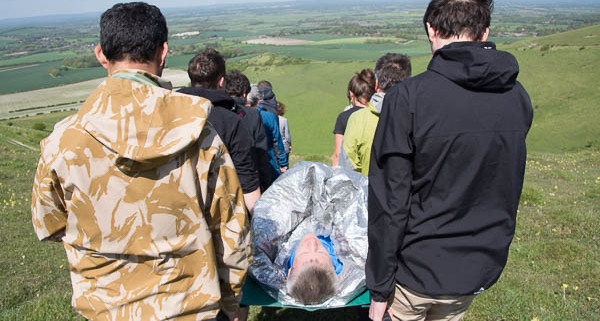
Upon the hill, we practised splinting broken limbs, treating burns and shock, and I even got to recline in the sun, with my eyes closed, as the group stretchered me down the steep escarpment without toppling me off. My relaxation was short-lived as I was soon on uphill stretchering duty for a new ‘patient’.
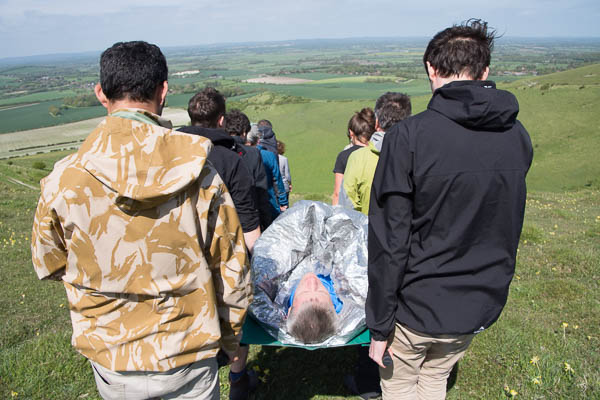
I volunteered to be the patient and was medevaced off the hill
The course even covered heat exhaustion, poisoning and snakebites, which was a relief as we’ve been warned about the dangers of carpet vipers when camping in the Kenyan countryside.
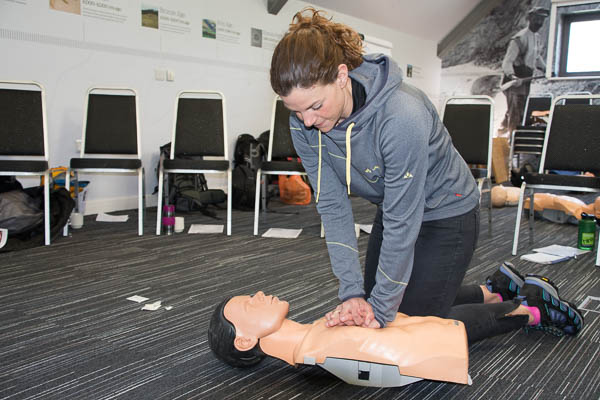
Emily practising CPR
The group consisted of people of many backgrounds, but I’d highly recommend going on this course if you’re an outdoorsy-type.
Even if you don’t plan to head into the hills, have a think about whether you actually would know what to do in an emergency. Think about your close friends. Think about your family. Think about whether you would be that person on the bus mopping up the blood or whether you would use your knowledge to save a life.
For us, though, I hope that the only medical intervention we’ll need is a hay fever pill. At least now we’re qualified to carry them in our first aid kits.
If you’ve enjoyed reading this blog post, please donate to World Bicycle Relief. Every penny goes to the great work the charity does in Africa – not to fund our expedition in any way.